FOUNDATIONS
The Eco-Luxury Masterclass:
How to Create a Sustainable Home Without Sacrifice
Luxury Designed for Wellbeing
Create a home that feels calm, elevated, and truly livable. From healthier materials to timeless furniture, discover our curated guides to non-toxic interiors—without sacrifice
Health-first materials.
The finishes, fabrics, and furniture in your home directly affect the air you breathe and the way you feel. Choosing low-toxin, natural materials is the single most impactful upgrade you can make.
Longevity over trends.
A well-made sofa that lasts 20 years is more sustainable—and ultimately more affordable—than replacing a cheap one every three years. Quality is the most eco-friendly choice you can make.
Low-impact sourcing.
Renewable, recycled, and responsibly sourced materials reduce the environmental footprint of your home without compromising on beauty or comfort.
The 3 Pillars of a Sustainable Home
Pillar 1: Healthy Indoor Air
If you do only one thing first, start here. Many conventional paints, finishes, and synthetic furnishings release VOCs (Volatile Organic Compounds) into the air—a process called off-gassing. These invisible compounds can contribute to headaches, fatigue, and long-term health issues.
Prioritize low‑VOC or zero‑VOC options wherever possible, and ventilate your home daily.
Pillar 2: Materials That Age Beautifully
Natural materials tend to look better over time: solid wood, linen, wool, stone, clay, and metal. The goal is timeless, not trend-chasing. When you invest in a piece made from real materials, it develops character instead of falling apart.
Pillar 3: Buy Less, Buy Better
The most sustainable piece is often the one you already own. Start with the highest-impact swaps—paint, bedding, upholstery—and upgrade slowly and intentionally. Sustainability is a direction, not a destination.
"Eco doesn't have to be beige. Sustainable interiors aren't a color palette—they're a decision-making framework."
The Biggest Mistakes (And How to Avoid Them)
Mistake 1: Replacing everything at once.
The most sustainable item is the one you already own. Resist the urge to start fresh. Instead, audit what you have and identify what truly needs to go.
Mistake 2: Falling for greenwashing.
Not everything labeled "natural," "green," or "eco-friendly" actually is. Vague marketing claims are everywhere. Look for real certifications:
FSC — responsibly managed wood and paper
GOTS — certified organic textiles
OEKO‑TEX — tested textiles, free from harmful substances
GREENGUARD — low chemical emissions in furniture and finishes
If a brand can't tell you what a product is made of and how it's finished, it's not a premium product—regardless of the price tag.
Mistake 3: Prioritizing price over true cost.
A cheap sofa that lasts two years costs more in the long run—financially and environmentally—than a quality piece built to last a lifetime. Think in decades, not seasons.
The Room‑by‑Room Starting Plan
You don't need to transform your entire home at once. Start where the impact on your daily wellbeing is highest.
The Bedroom (Highest Priority)
You spend 7–9 hours here every night, breathing the air and in direct contact with your textiles. This is where small changes have the biggest effect.
Start with:
Organic or OEKO‑TEX certified sheets and pillowcases
A low‑VOC paint if you're planning to redecorate
Removing heavily fragranced products from your nightstand
The Living Room
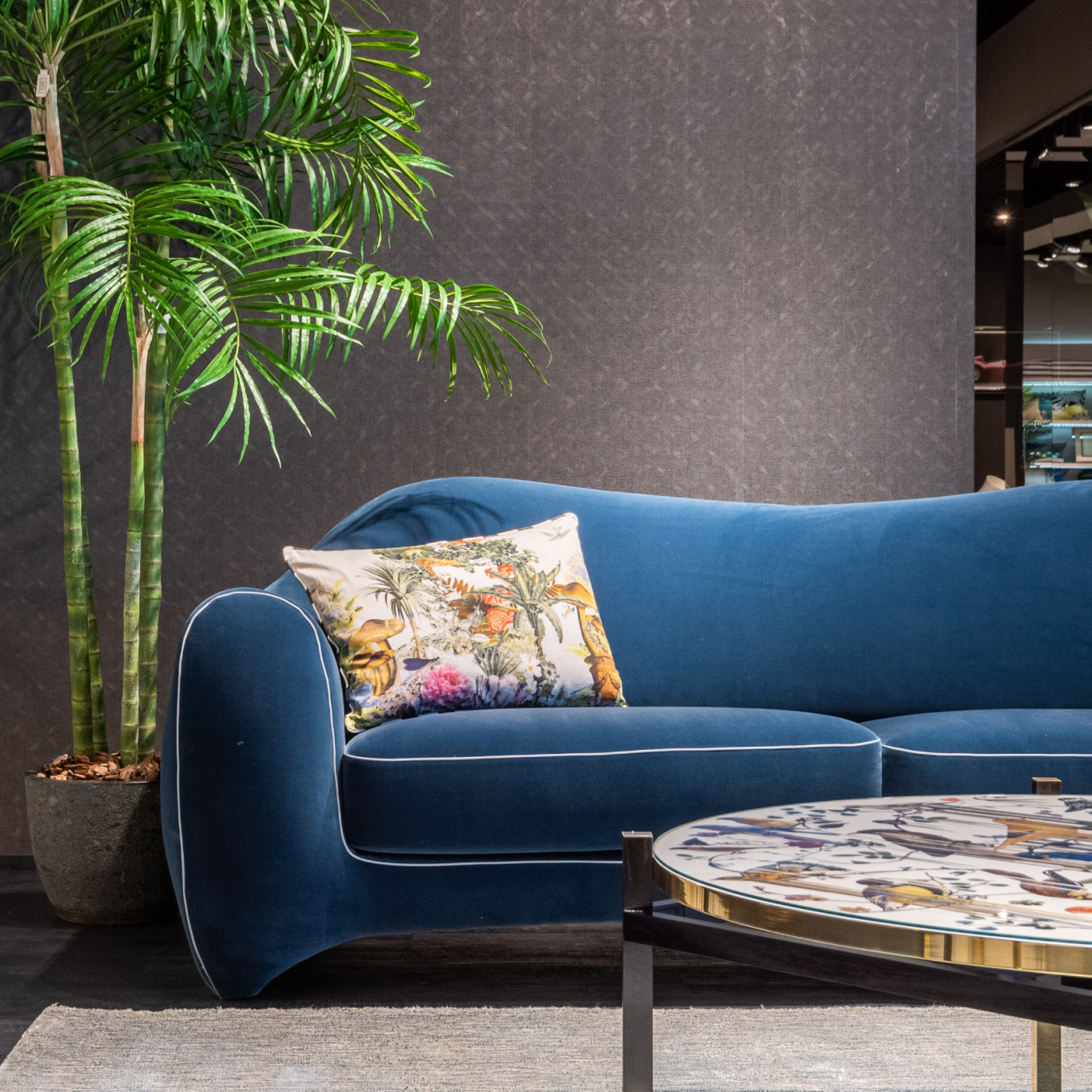
The heart of your home is also where your largest material investments live: the sofa, the rug, the curtains.
Start with:
Replacing a synthetic rug with a natural wool or jute alternative
Switching to linen or organic cotton curtains
Choosing solid wood over MDF or particle board for any new furniture
The Walls (The Biggest Surface in Your Home)
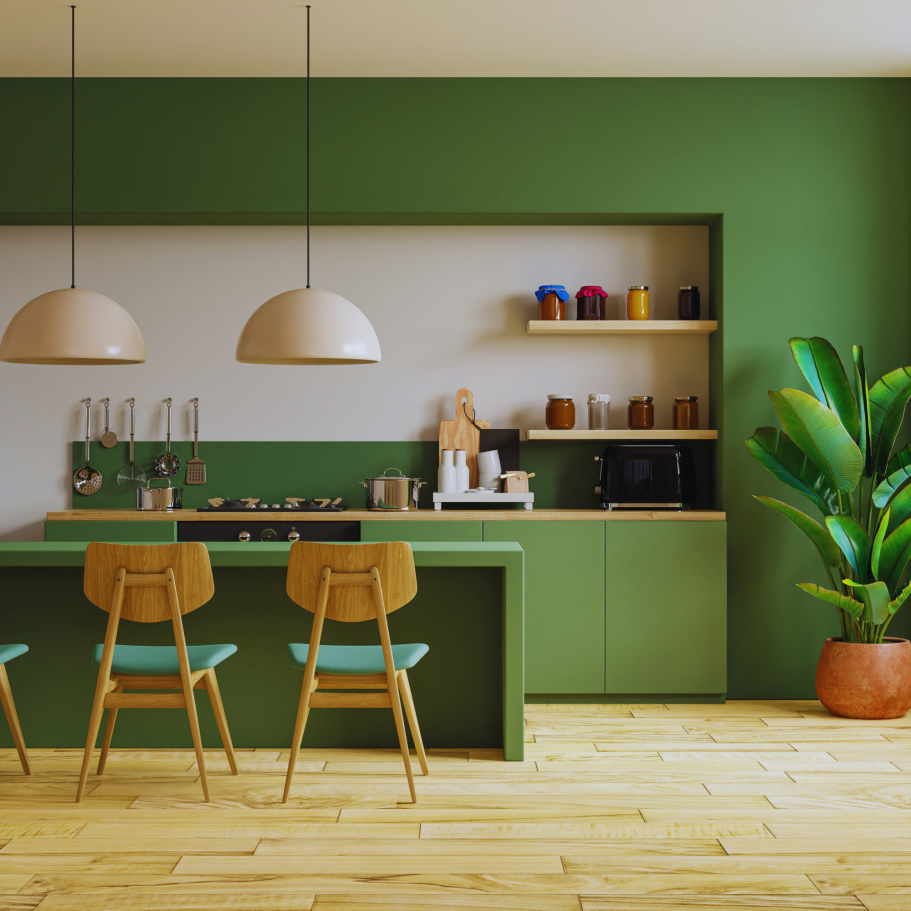
Paint is one of the most impactful changes you can make—both visually and for air quality.
Start with:
Researching low‑VOC or mineral-based paints in your preferred color
Considering limewash or clay finishes for a textured, breathable result
Choosing one room to refresh first
Your Getting Started Checklist
Today (15–30 minutes)
☐ Open your windows for a full air exchange
☐ Choose one room to focus on first
☐ Identify your top priority: air quality, comfort, or durability
☐ Make a simple "Keep / Upgrade Later / Replace" list for your biggest items
This Week
☐ Research one low‑VOC paint option for your chosen room
☐ Upgrade one skin-contact item (pillowcase or sheets)
☐ Replace one heavily fragranced product with a cleaner alternative
This Month
☐ Invest in one high-impact piece (rug, curtains, or bedding)
☐ Create a simple materials standard for your home (e.g., prefer FSC wood, natural fibers, low‑VOC finishes)
☐ Download the Free Sustainable Luxury Home Checklist for a complete room-by-room plan
FAQ
Do I need to replace everything to live more sustainably?
Absolutely not. Sustainability is often about keeping, repairing, and upgrading slowly. The goal is better decisions going forward—not a complete overhaul overnight.
Is sustainable design always more expensive?
Not necessarily. Vintage and secondhand pieces are often the most sustainable option and can be significantly more affordable. Fewer, better purchases also reduce total spend over time.
Where should I start if I feel overwhelmed?
Start with the bedroom. It has the highest impact on your daily health and wellbeing, and even small changes—like switching to organic cotton sheets—make an immediate difference.
How do I know if a product is genuinely sustainable?
Look for third-party certifications (FSC, GOTS, OEKO‑TEX, GREENGUARD) rather than relying on brand claims alone. If a company is transparent about its materials and manufacturing process, that's already a strong signal.
Can sustainable interiors look bold and colorful?
Absolutely. Sustainable design is a framework, not an aesthetic. You can have deep velvets, bold wallpapers, and vibrant colors—as long as the materials and finishes meet your standards.
Ready to Create Your Sustainable Luxury Home?